
Last updated November 2, 2026
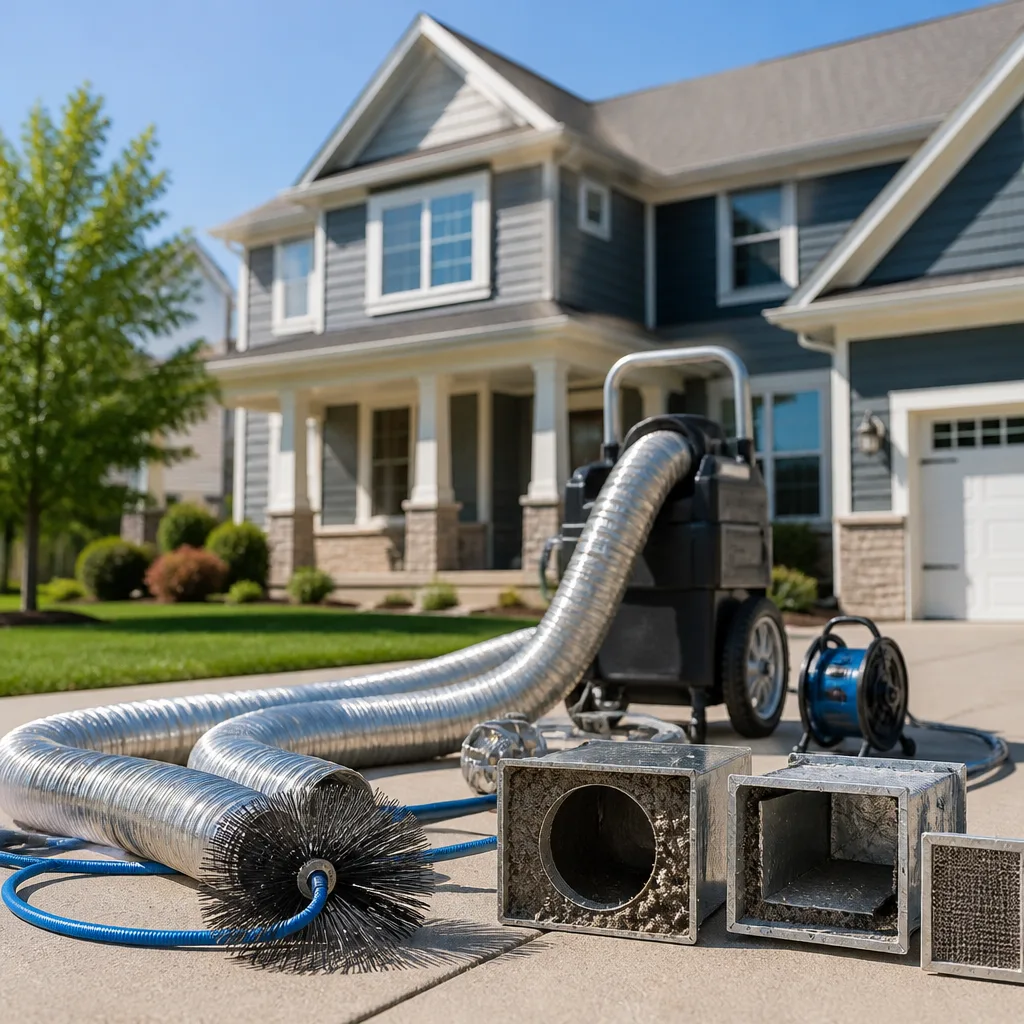 Whole-home duct cleaning
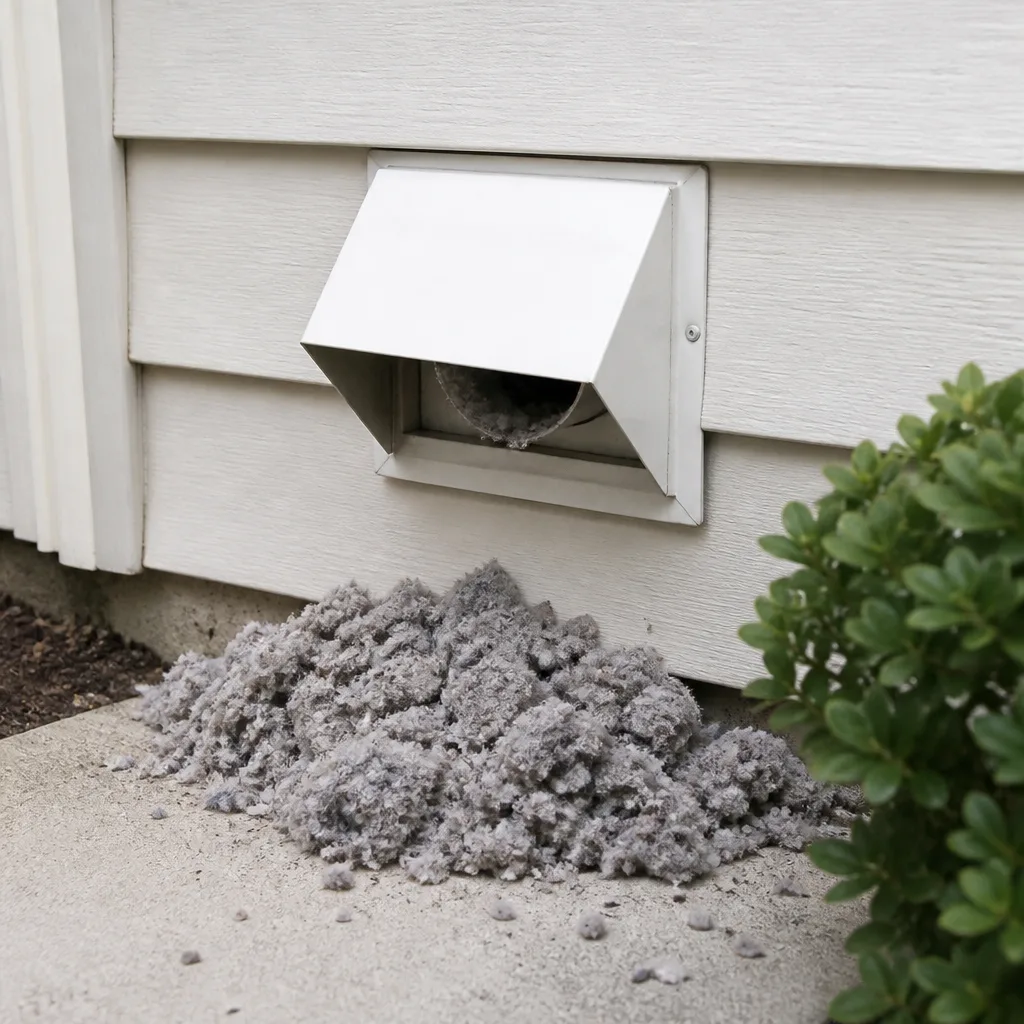 Dryer vent cleaning
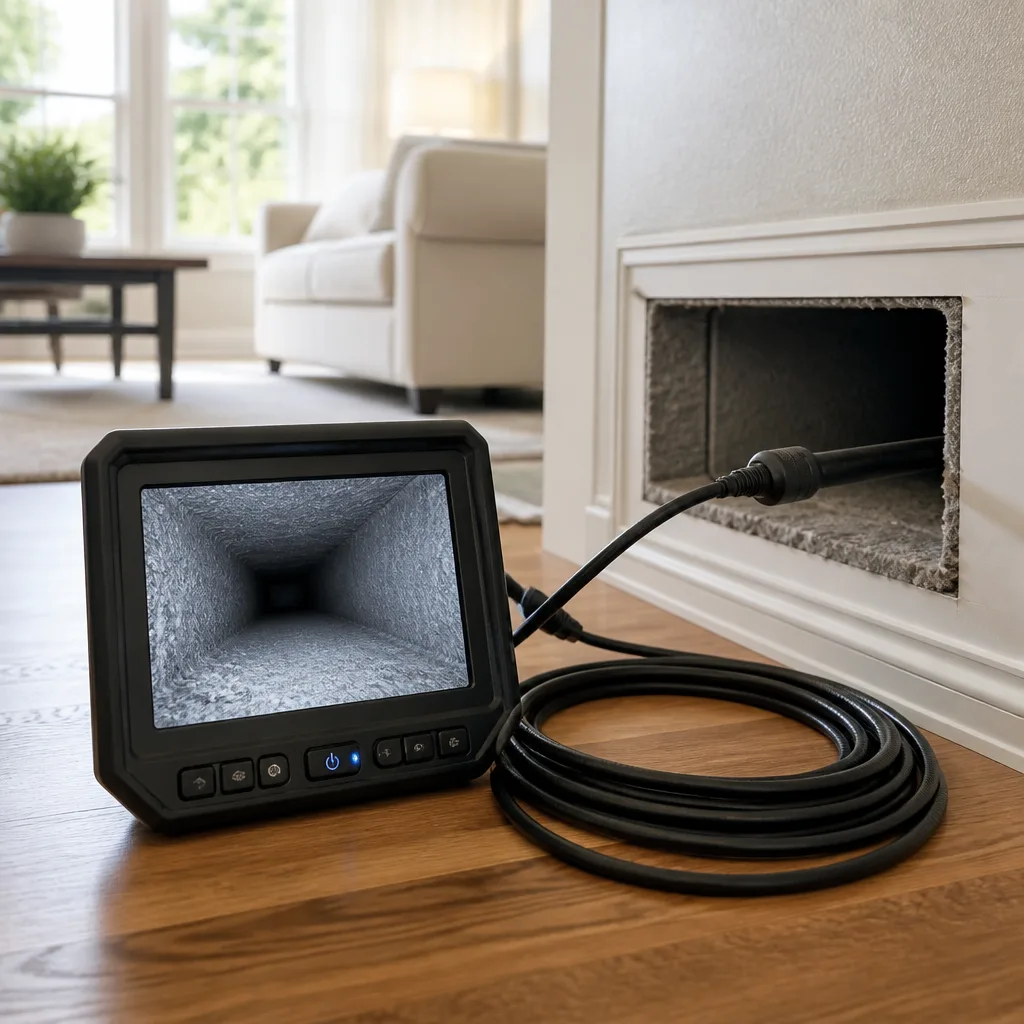 Camera inspection
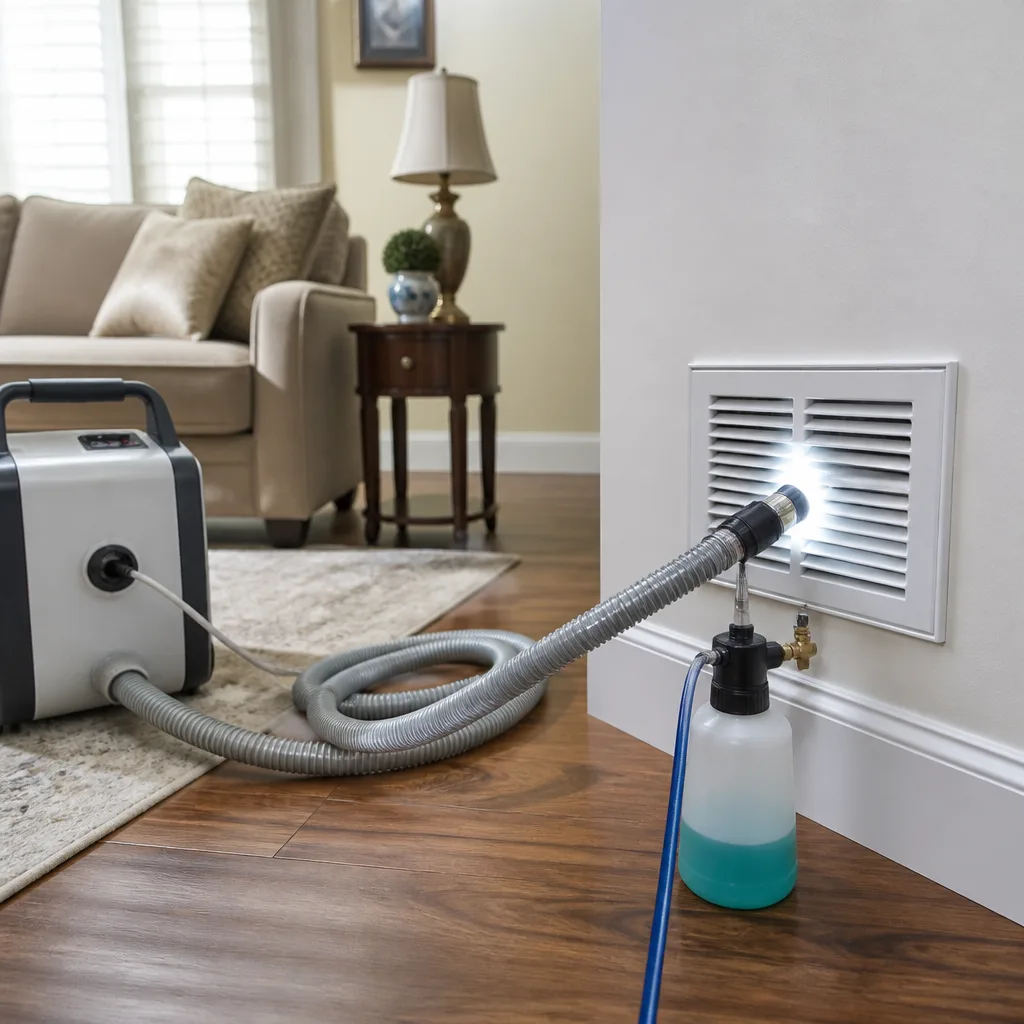 Sanitizing & deodorizing
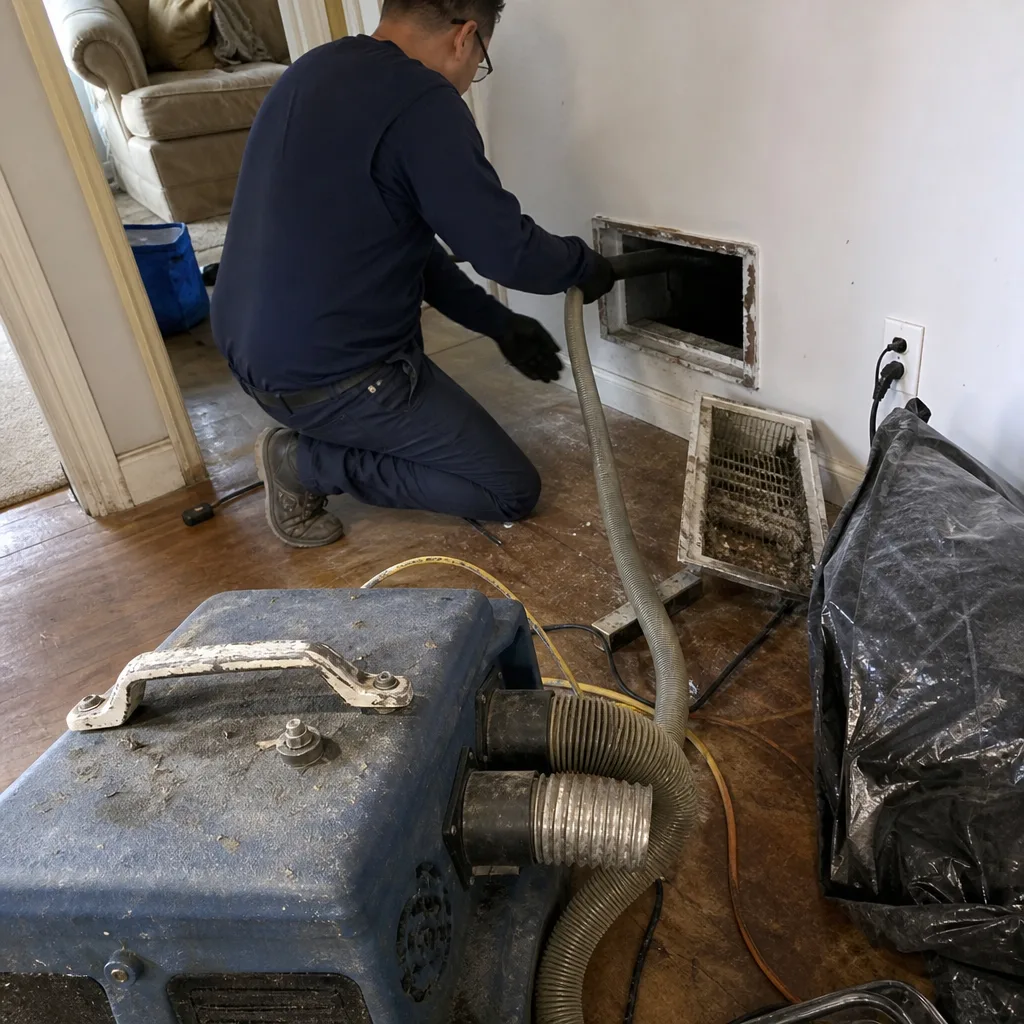
Whole-system duct and dryer vent check with before-and-after photos - you see exactly what came out of your vents
That "$99 whole-house special" is a bait ad - the real number appears once they are in your hallway, or the "clean" is a shop-vac at the register. We photograph the inside of your ducts before and after instead.
Air Duct Cleaning Maintenance Checklist for La Habra Homeowners
Here’s a truth that surprises most La Habra homeowners: a dirty air filter rarely tells you anything meaningful about the inside of your ductwork. You can swap a MERV-11 filter every 30 days, set a reminder on your phone, and take pride in your diligence. Meanwhile, the return plenum above your furnace could be holding a half-inch of matted dust, pet dander, and drywall fines from a remodel that happened before you bought the house. The filter catches what’s entering the system. It does almost nothing about what has already settled inside. This guide treats maintenance as a diagnostic practice, not a chore calendar. You’ll learn which observable indicators actually signal degrading duct condition, how to log them into a baseline, and which events in La Habra specifically should trigger an off-schedule inspection. The central shift is this: your checklist should be built around what you see, smell, and hear, not what the calendar says.
Styles & brands we work with
- Whole-home duct cleaning
- Dryer vent cleaning
- Camera inspection
- Sanitizing & deodorizing
Quick Answer
An effective air duct maintenance checklist for La Habra homeowners tracks observable indicators like register dust patterns, musty odor timing relative to HVAC cycles, and uneven room temperatures between cleanings. It should also trigger immediate inspection after specific events: renovation work, roofing replacement, wildfire smoke intrusion, or Santa Ana wind dust events. If you log these signals and notice degradation within 6 to 12 months of a professional cleaning, the system itself likely needs repair, not just another cleaning.
Table of Contents
- Observable Indicators: What Your Ducts Are Telling You
- How to Build a Duct Condition Baseline Before You Call Anyone
- Post-Renovation and Roofing: The Inspection Most Homeowners Skip
- Older La Habra Housing Stock: Flex Duct, Fiberglass Liner, and Galvanized Trunk Lines
- Santa Ana Winds and Wildfire Smoke: Off-Schedule Checklist Reviews
- What You Can Check Yourself vs. What Needs Professional Equipment
- Common Mistakes to Avoid
- When to Call a Professional
- Frequently Asked Questions
- The Bottom Line
Observable Indicators: What Your Ducts Are Telling You
Most duct maintenance advice starts with “change your filter” and stops there. The problem: your filter is positioned at the air handler, not inside the duct runs themselves. What happens inside the supply and return plenums, the branch lines, and the register boots is invisible unless you know what to look for on the surface. Here are the indicators that matter, and what each one actually signals.
1. Register Dust Patterns That Reappear Too Quickly
After a professional cleaning, your supply registers should stay visibly clean for months, not weeks. If you wipe down a register and then see a gray film or fine particulate accumulation within 2 to 3 weeks, the air moving through that register is carrying debris from somewhere upstream. In La Habra homes, we often see this pattern when flexible duct runs in the attic have developed small tears or when the return plenum was never fully cleaned. The register is not the source. It’s a reporting surface.
2. Musty Odor Timed to HVAC Cycles
Pay attention to when you smell the odor. A musty smell that appears only when the blower kicks on, and disappears when the system shuts off, points to microbial growth or trapped moisture inside the ductwork itself, not in the room. If the odor were from carpet or drywall, it would persist regardless of HVAC operation. This timing distinction is one of the most useful diagnostic signals a homeowner can capture. Log whether the odor is present during cooling season, heating season, or both. Cooling cycles in Southern California generate condensation, and if that moisture is not draining properly, the inside of your ductwork becomes the damp environment you’re smelling.
3. Uneven Room Temperatures With No Thermostat Explanation
Walk through your La Habra home on a hot afternoon and notice whether the east-facing bedrooms consistently run 4 to 6 degrees warmer than the rest of the house. Some temperature differential is normal due to sun exposure. But when the imbalance persists after you’ve adjusted dampers, checked registers are open, and replaced the filter, the cause is often airflow restriction inside the ductwork itself: collapsed flex duct, a disconnected branch line, or a severely constricted return. We’ve seen homes where a single collapsed return reduced airflow to an entire wing by nearly half. Temperature imbalance is a duct condition indicator, not just a thermostat problem.
How to Build a Duct Condition Baseline Before You Call Anyone
The most useful thing you can do before picking up the phone is establish a written baseline. Without one, you’re relying on memory, and memory is unreliable when it comes to gradual changes. A baseline gives you something to measure against, and it gives any contractor you call a starting point that is specific to your home, not a generic estimate.
Here’s a simple four-week logging method we recommend to La Habra homeowners who want to understand their system before scheduling service:
- Week 1: Photograph your supply registers. Remove each register cover (they pull straight off or unscrew with two fasteners) and photograph the visible interior of the boot and the first few inches of duct. Save these images in a folder on your phone. These are your “before” reference points.
- Week 1: Note the filter’s installation date. Write it on the filter frame with a marker. This becomes your filter change interval reference, separate from duct condition.
- Weeks 2-4: Log odor events. Each time you smell musty or dusty air when the blower runs, note the date, time, room, and whether the system was heating or cooling. Three or more entries in a single month is a meaningful signal.
- Week 4: Re-photograph the same registers. Compare against week 1. If you see new particulate accumulation inside the boot or on the register face, document it. This indicates active debris movement through the system.
- Week 4: Run a temperature check. Using a basic infrared thermometer (available for under $30 at any hardware store), measure the air temperature at each supply register with the system running. A spread of more than 6 degrees between rooms with similar sun exposure points to uneven airflow.
This log takes roughly 15 minutes per week and produces data you can hand to a contractor. More importantly, it tells you whether your system is holding steady or actively degrading. A system that was professionally cleaned 12 months ago and shows no register accumulation and no odor events is holding steady. A system that shows new particulate within 3 months has a leak, a tear, or a contamination source that cleaning alone will not solve.
Post-Renovation and Roofing: The Inspection Most Homeowners Skip
Here’s a scenario we see repeatedly across La Habra: a homeowner schedules duct cleaning, and during the initial inspection we find drywall dust, sawdust, or roofing grit packed into the return plenum. When we ask when the renovation happened, the answer is often “two years ago.” The homeowner assumed the contractor’s cleanup was sufficient. It rarely is.
Drywall dust and sawdust are finer and lighter than the debris your filters are designed to catch. During any renovation that opens walls, ceilings, or flooring, a significant volume of this dust gets pulled into the HVAC return path. It settles inside the ductwork, and because the system’s blower doesn’t run during much of the construction, it stays there. When you turn the system back on, that dust becomes airborne throughout the house.
Roofing work creates a different problem. If your home has ductwork running through the attic, the vibration from tear-off and nail gun work can jar loose connections, and roofing debris can fall into exposed duct openings. After any roofing project in La Habra, we recommend a visual inspection of the attic duct runs: look for disconnected sections, sagging flex duct, and visible puncture points.
The checklist item is simple: any renovation, roofing job, or attic intrusion resets your duct maintenance clock to zero. Do not wait for the next annual interval. Schedule an inspection within 2 to 4 weeks of project completion. The cost of a cleaning after renovation is far lower than running a system that is actively distributing construction dust through your living space for months.
Older La Habra Housing Stock: Flex Duct, Fiberglass Liner, and Galvanized Trunk Lines
La Habra has a significant inventory of homes built between the late 1950s and early 1980s, and the duct systems in those homes have specific failure modes that don’t appear in newer construction. Understanding these differences changes what you look for during a maintenance check.
Flex duct condition: Many La Habra homes have had flexible duct runs added during retrofits or additions. Flex duct has a service life, and in attic spaces that reach 140 degrees or more during summer, the outer vapor barrier becomes brittle and cracks. The inner liner can separate, and the wire coil can poke through. During a visual inspection, look for sagging runs (more than a few inches of droop between supports indicates broken internal support), visible tears in the outer jacket, and any section that feels spongy or soft when gently pressed. Replacing a failed flex run is an air duct repair, not a cleaning issue.
Fiberglass liner integrity: Original metal plenums were often lined with fiberglass insulation on the interior. Over decades, this liner can degrade. The visible sign is fine fiberglass particles at the supply registers, which sometimes read as “sparkly” dust in direct sunlight. If you’re seeing this, the liner needs professional evaluation. Cleaning alone will not stop the shedding.
Original galvanized trunk lines: Galvanized steel ductwork lasts a long time, but the connections between sections can loosen, and the duct sealant used at installation eventually fails. The result is air leakage into unconditioned attic or crawlspace areas, which shows up as higher energy bills and reduced airflow in distant rooms. If your older La Habra home has never had its ductwork pressure-tested, the odds of significant leakage are high. This is a measurable issue, and a professional evaluation will quantify it.
For homeowners in these older homes, the checklist should include a specific visual pass over the attic ductwork at least once per year, ideally in spring before cooling season begins. Mark your calendar for a weekend morning when the attic is still tolerable to enter.
Santa Ana Winds and Wildfire Smoke: Off-Schedule Checklist Reviews
La Habra sits in a climate where seasonal events can bypass months of normal accumulation in a single week. Two events in particular should trigger an immediate checklist review, regardless of when you last cleaned your ducts.
Santa Ana wind events: Between September and January, La Habra experiences Santa Ana wind patterns that carry fine particulate from inland areas. This dust is often finer than household dust and can be drawn into the HVAC system through attic vents, crawlspace openings, or even through weep holes in wall assemblies. After a strong Santa Ana event, check your supply registers for a new layer of fine gray particulate. If you see it within days of the wind event, your system is pulling in outside air from somewhere it shouldn’t be. That’s a leakage issue, not just a cleanliness issue.
Wildfire smoke intrusion: When wildfire smoke blankets the La Habra area, the air outside carries a mix of fine particulate matter and volatile compounds. If your HVAC system pulls in smoke through the return path, that particulate can settle inside the ductwork and continue off-gassing odors for weeks after the outdoor air clears. The standard response of upgrading to a higher-MERV filter helps with what’s entering the system, but it does nothing for smoke particulate that has already deposited inside the ducts. After a significant smoke event, do a sensory check: run the fan-only mode with no heating or cooling and walk through the house. If you smell smoke with the fan running but not when it’s off, the particulate is inside the system. Call for an evaluation and mention the smoke event specifically.
These off-schedule triggers matter because La Habra homeowners who wait for an annual interval after a smoke or wind event often end up living with degraded indoor air for months. The checklist is not a calendar. It’s a response protocol.
What You Can Check Yourself vs. What Needs Professional Equipment
We’re often asked what a homeowner can reasonably inspect on their own, and the honest answer is: more than you think, but less than a full diagnosis requires. Here’s the dividing line.
You can check these yourself:
- Register condition and visible boot interior (with a flashlight)
- Filter condition and installation date
- Visible attic duct runs for sagging, tears, or disconnection
- Odor timing relative to HVAC cycles
- Temperature differential between rooms using an infrared thermometer
- Debris accumulation rate at registers over a 4-week window
These require professional equipment and training:
- Interior duct wall inspection beyond the first few inches (requires scoping cameras)
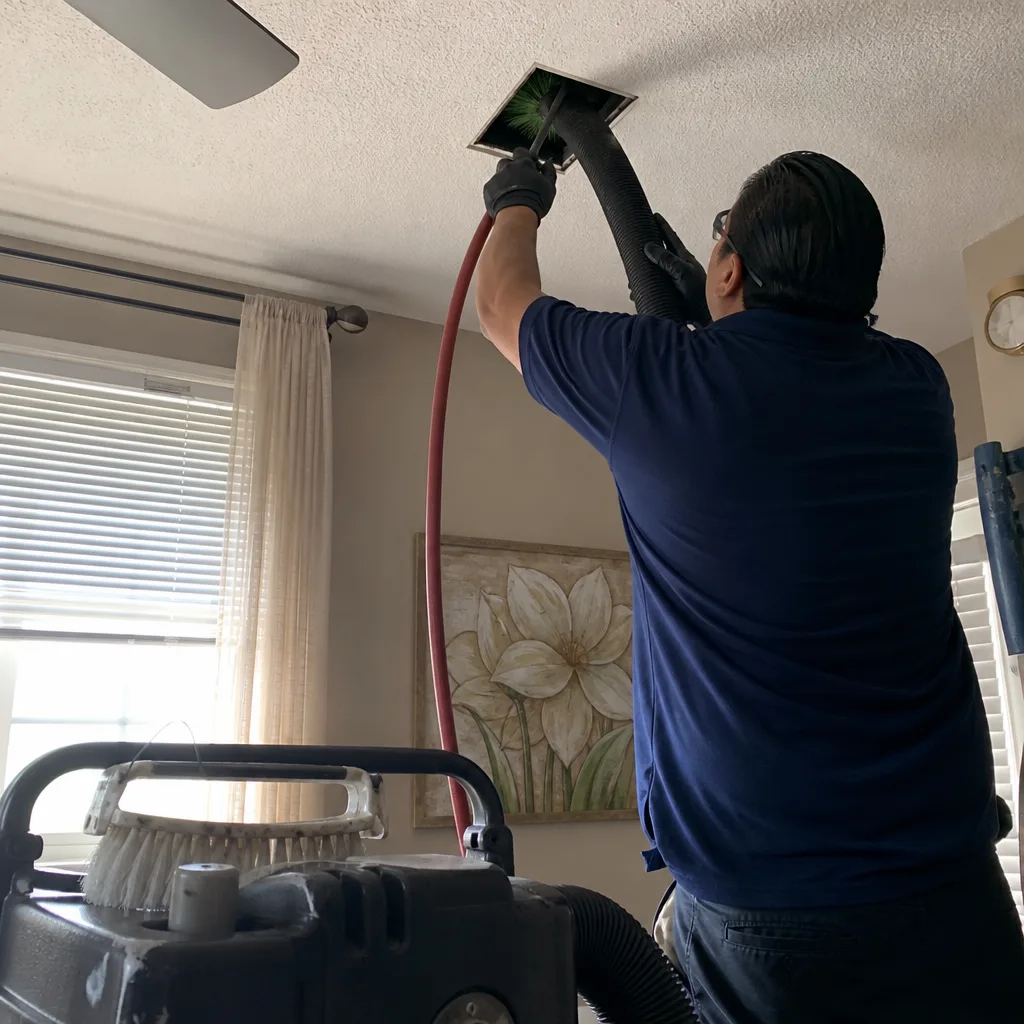
- Mechanical agitation and full extraction of settled debris (requiresRotobrush or Nikro systems with negative air pressure)
- Leakage quantification (requires a duct blaster or pressure testing setup)
- Fiberglass liner condition assessment inside the main trunk line
- Microbial growth identification and remediation planning
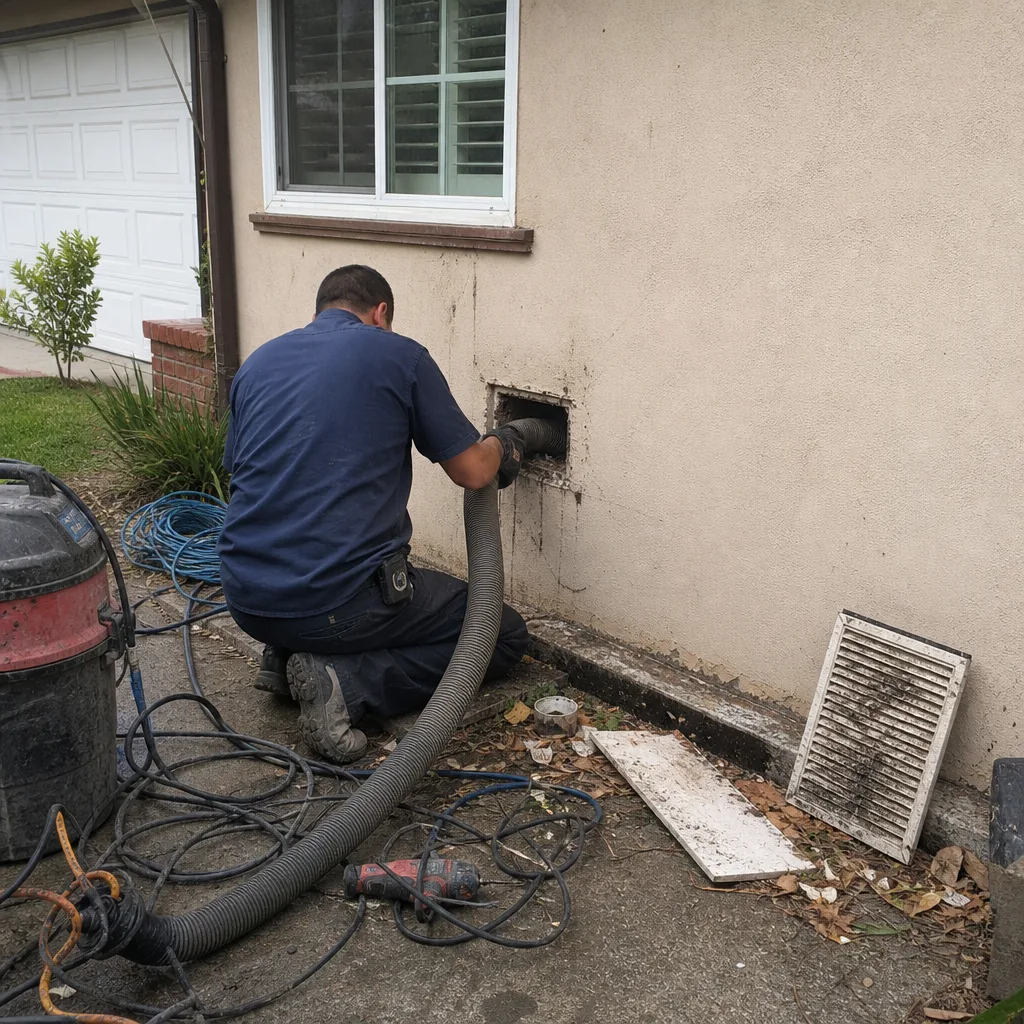
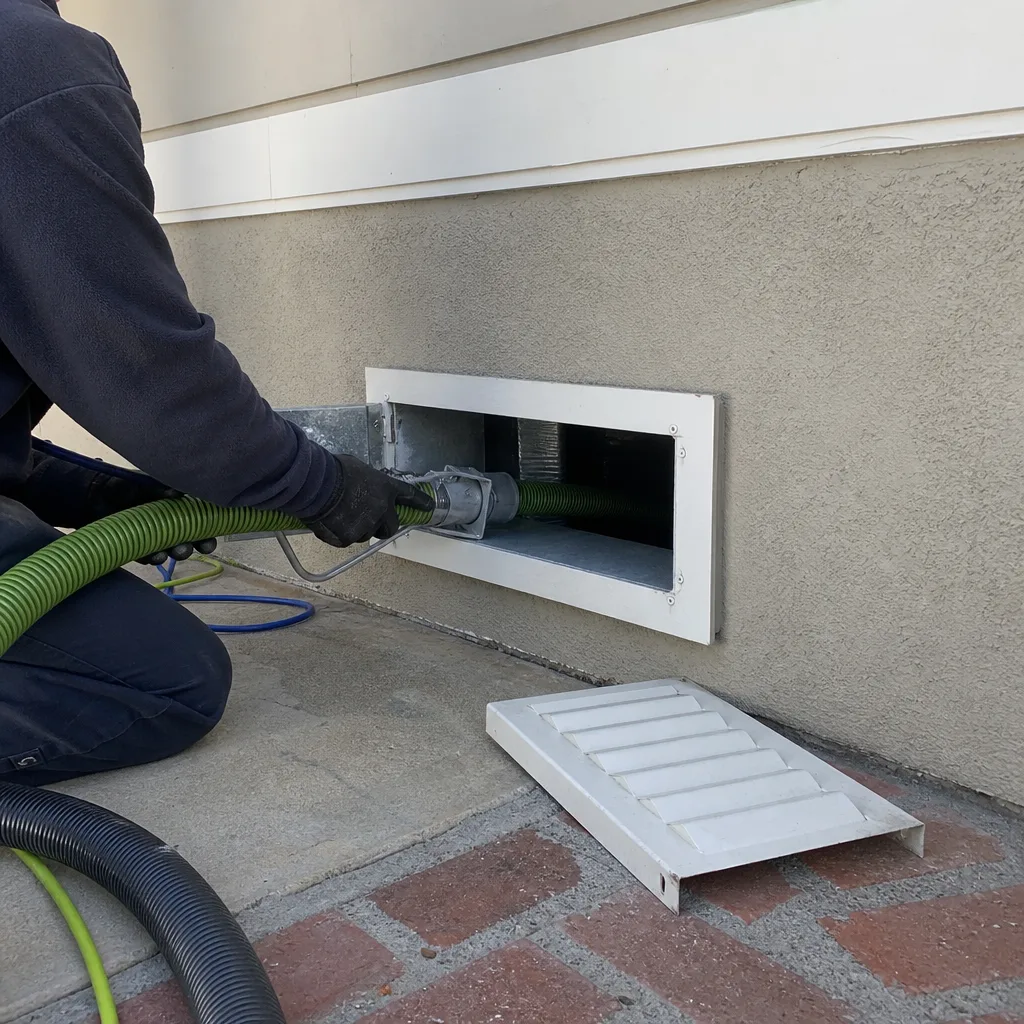
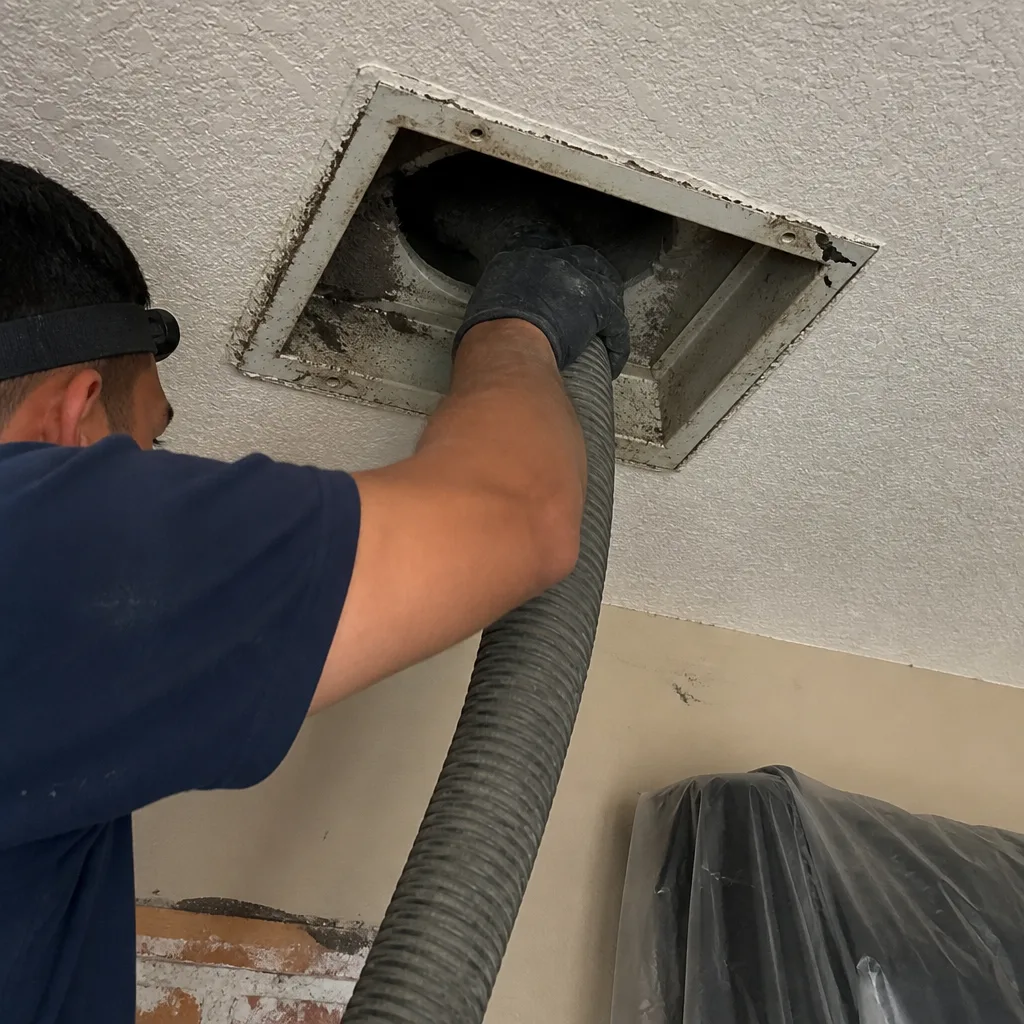
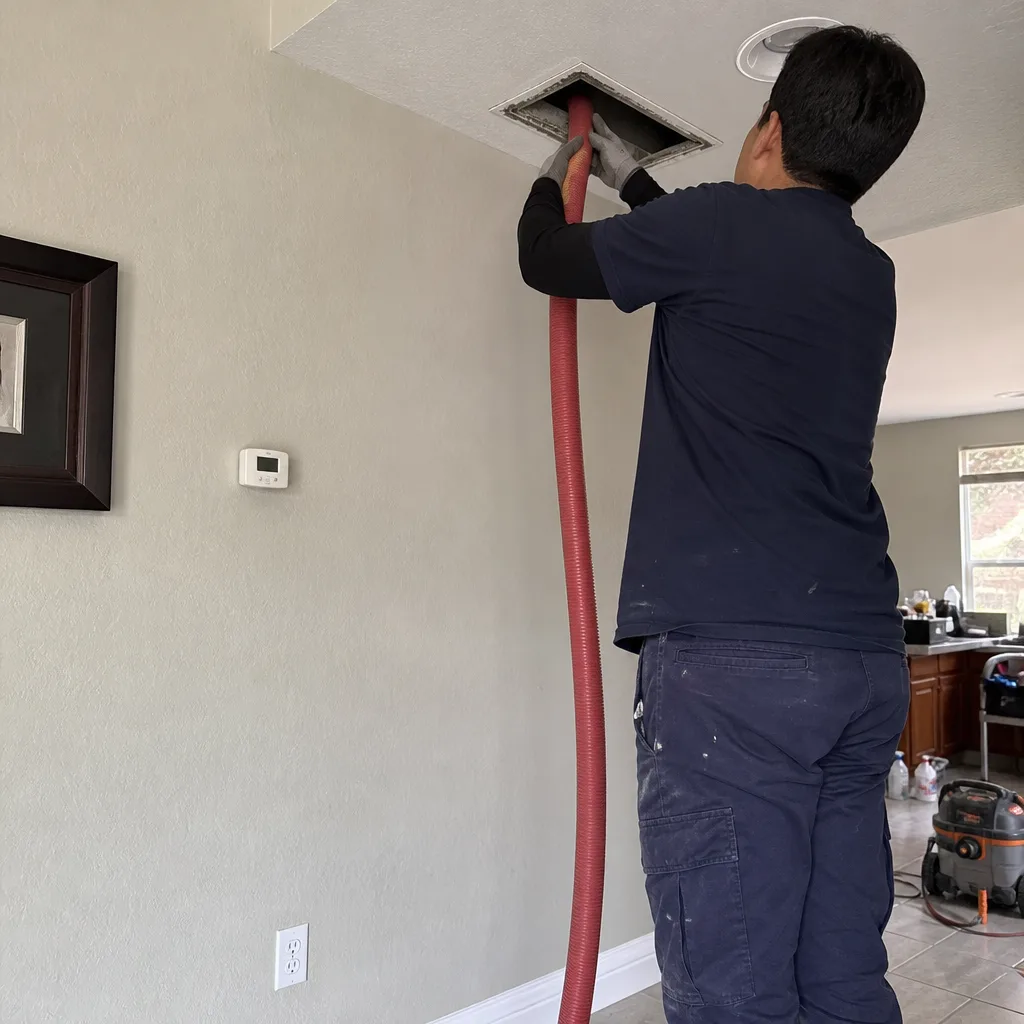
The pattern here is consistent: surface indicators are visible to a careful homeowner. What’s happening 15 feet into a duct run, behind an elbow, or inside a plenum is not. That’s where process matters. We use professional-grade Rotobrush and Nikro systems for exactly this reason: the cleaning mechanism needs to reach what the homeowner cannot see, and the verification needs to show what was removed. If a contractor cannot show you what came out of your ducts, they haven’t demonstrated the work was done.
And that transparency extends to products. Our team’s training in Honeywell and Aprilaire systems means we understand how duct cleanliness interacts with filtration and humidity control. A duct system doesn’t exist in isolation, and a specialist who can speak to the whole air system is going to give you better guidance than one who treats cleaning as a one-off transaction. The air duct cleaning process we use in La Habra is built around this whole-system view.
Common Mistakes to Avoid
- Trusting the filter as a duct condition indicator. The filter shows what’s entering the blower. It tells you nothing about what has settled inside the return plenum or branch lines. A clean filter and dirty ducts coexist all the time in La Habra homes.
- Cleaning ducts before fixing the cause of the contamination. If you have a disconnected duct run in the attic pulling in fiberglass and dust, cleaning the rest of the system without repairing the disconnection means you’ll be back in the same condition within months. We regularly recommend air duct repair before cleaning when the inspection reveals structural issues.
- Using a $99 whole-house coupon as a baseline expectation. Bait-and-switch pricing is well documented in this industry. A legitimate whole-system cleaning in La Habra involves real equipment, real time on site, and real verification. If a price sounds too low to cover that process, it probably doesn’t include much of it.
- Waiting for a musty odor to become constant before acting. An odor that only appears during HVAC cycles is already a clear signal. Waiting until it’s present 24/7 means the problem has spread beyond the ductwork. Act on the cycle-timed signal, not the constant one.
- Ignoring post-renovation dust as “just part of remodeling.” Drywall dust and sawdust settling in your ducts will be distributed through your living space every time the system runs for months after the project ends. This is a fixable issue, not an annoyance to tolerate.
- Skipping the dryer vent because “the dryer still works.” Dryer vent performance degrades gradually. A vent that’s 30% blocked still dries clothes, just more slowly and with more heat. The dryer vent cleaning service we provide in La Habra addresses this specific safety issue: lint accumulation is one of the leading causes of residential house fires.
- Assuming newer homes don’t need duct attention. We’ve seen systems in homes built within the last decade that were never cleaned because “the house is too new for that.” Construction debris from the original build, drywall dust, and paint overspray are commonly found in ducts of homes under 10 years old.
When to Call a Professional
Call a professional when your own observations confirm active degradation: register dust returning within 3 weeks after cleaning, musty odor timed to HVAC cycles that persists for more than a few days, temperature differentials above 6 degrees between similar rooms, or visible duct damage in the attic. Also call after any renovation, roofing job, or significant wildfire smoke event, even if the system was recently cleaned. These events bypass normal timelines and require a reset, not a wait-and-see approach. If you’re in La Habra and you’re seeing any of these signals, Cobalt Air Duct Cleaning offers free estimates and will show you exactly what we find inside your ducts. Call (866) 596-7835 to schedule.
Frequently Asked Questions
Most La Habra homes benefit from professional air duct cleaning every 3 to 5 years, but the interval depends on observable conditions rather than calendar time. Homes with pets that shed heavily, residents with significant allergies, recent renovation history, or post-wildfire smoke intrusion may need service every 2 to 3 years. The most reliable approach is to maintain a running log of register dust accumulation and odor events, then schedule cleaning when those indicators show active deterioration rather than waiting for an arbitrary date. If you’re unsure whether your system needs service, call (866) 596-7835 and we’ll help you evaluate what you’re seeing.
The price difference usually reflects what is actually included in the service. Low-cost quotes in the $99 to $199 range typically cover only a superficial vacuum of accessible register openings, without the mechanical agitation and full system extraction that removes settled debris from branch lines and plenums. A legitimate whole-system cleaning requires commercial-grade equipment like the Rotobrush and Nikro systems we use, which agitate and extract from the full interior surface of each duct run. Equipment, time on site, and verification all cost money. Ask any contractor to show you what they removed, and ask how they access the main trunk line. If the answer is vague, the price is low for a reason.
The company should show you visual evidence from inside your ducts before and after the work. This means scoping camera images or video of the interior surfaces, plus a documented collection bin showing the debris that was extracted. We photograph our work because the inside of a duct is invisible to the homeowner, and the only honest way to demonstrate completion is to show what the camera saw. A contractor who cannot provide before-and-after documentation has not verified the work. This is one reason we treat the whole process, from initial inspection through final camera pass, as a documented sequence rather than a verbal claim.
A higher-MERV filter improves what the system captures from the return air stream, which reduces the rate of new dust entering the blower and supply side. It does not remove debris that has already settled inside the ductwork, and it does not address leaks, tears, or disconnections that pull unfiltered air into the system from attics or crawlspaces. Think of it this way: a better filter slows new accumulation. It does nothing about existing accumulation. A home with clean ducts and a good filter will stay cleaner longer. A home with dirty ducts and a good filter simply has a better trap for new dust while old dust continues to circulate. For La Habra homes with older ductwork, filter upgrades and duct cleaning work together, not as substitutes.
After a significant wildfire smoke event, run your HVAC system in fan-only mode and walk through each room. Note whether you smell smoke while the fan is running but not when it’s off. If the odor is tied to system operation, smoke particulate has deposited inside the ductwork or on the blower assembly. Check your supply registers for visible soot or fine gray-black particulate that wasn’t there before the event. Then change your filter, and if the fan-tied odor persists for more than a few days, schedule a professional evaluation. Smoke particulate that sits inside ductwork continues to off-gas odors for weeks or months. This is a condition that cleaning addresses directly, and it’s one of the most common reasons La Habra homeowners call us after fire season.
Yes, and it’s arguably the most time-sensitive item on this checklist. Your dryer vent moves lint, heat, and moisture out of the house, and every load of laundry leaves some lint behind in the vent. Over time, that lint restricts airflow, which forces the dryer to run hotter and longer. Lint is highly combustible, and restricted dryer vents are one of the leading causes of residential house fires. In La Habra, where many homes route dryer vents through walls or crawlspaces, the runs are often longer than ideal, which increases the accumulation rate. This is a dedicated safety service, not an add-on. Our team provides dryer vent cleaning in La Habra as a standalone service with the same specialist focus as our duct work. If you can’t remember when your vent was last cleaned, it’s time to look.
The Bottom Line
A useful air duct maintenance checklist for La Habra homeowners is built around observation, not procrastination. The filter tells you what’s entering your system. Register dust patterns, odor timing, and temperature differentials tell you what’s happening inside it. Log those signals, check the attic after any renovation or roofing work, and treat Santa Ana wind events and wildfire smoke as resets that require off-schedule review, not annual-interval patience. Older La Habra homes have specific failure modes in flex duct, fiberglass liner, and galvanized trunk lines that a generic checklist never catches. And if your log shows the system degrading between cleanings, the answer is usually repair, not another pass with a vacuum. See what’s actually inside your ducts before you decide. That single step changes everything about how you maintain the air you breathe at home.
Written by the team at Cobalt Air Duct Cleaning, serving La Habra since 2016.
See the difference
 Before
 After
 Before
 After
 Before
 After