
Last updated November 2, 2026
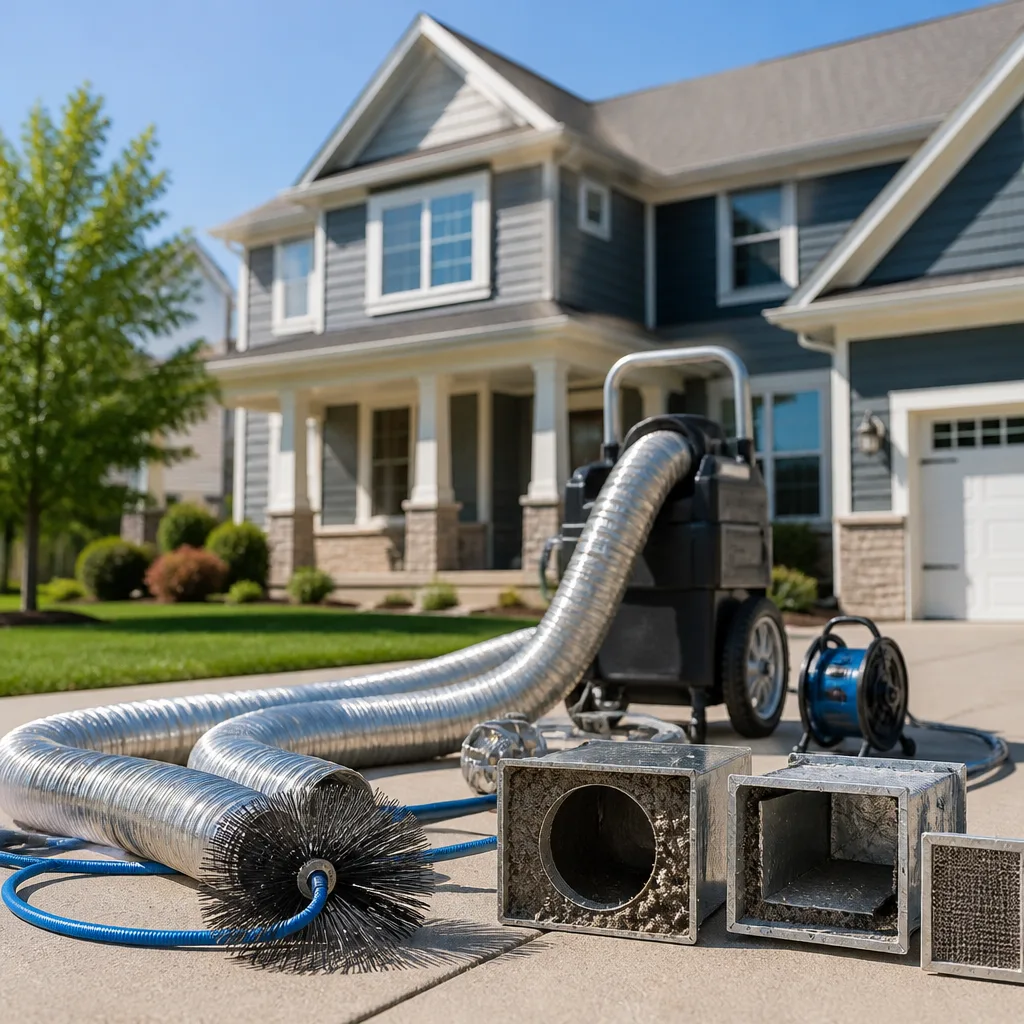 Whole-home duct cleaning
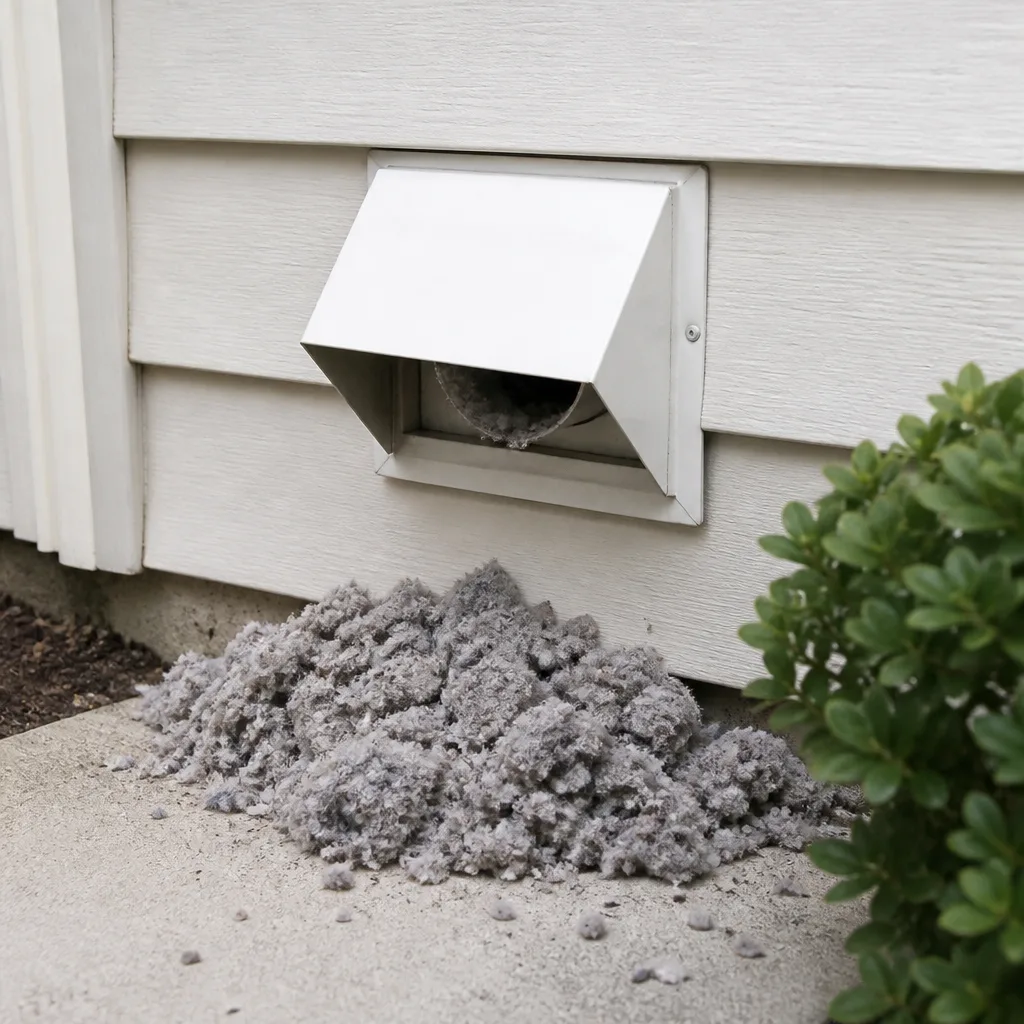 Dryer vent cleaning
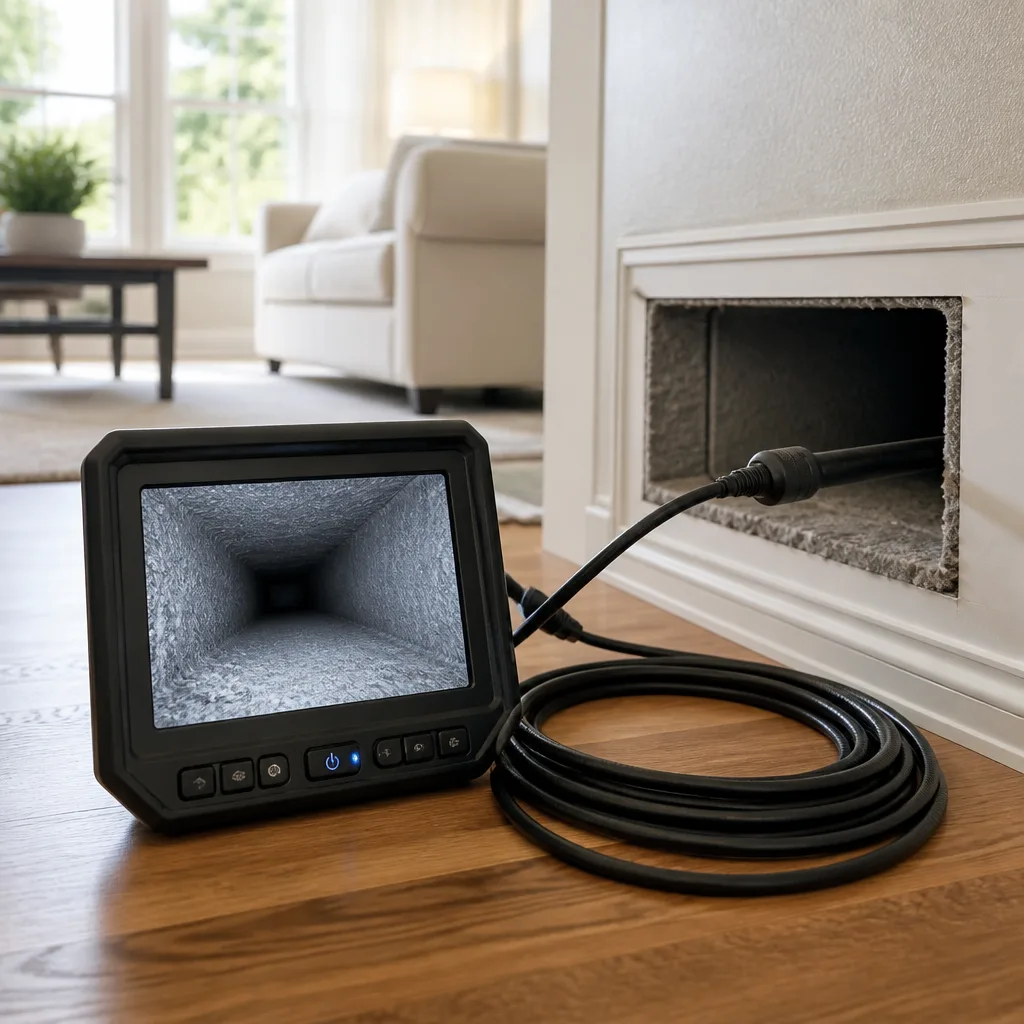 Camera inspection
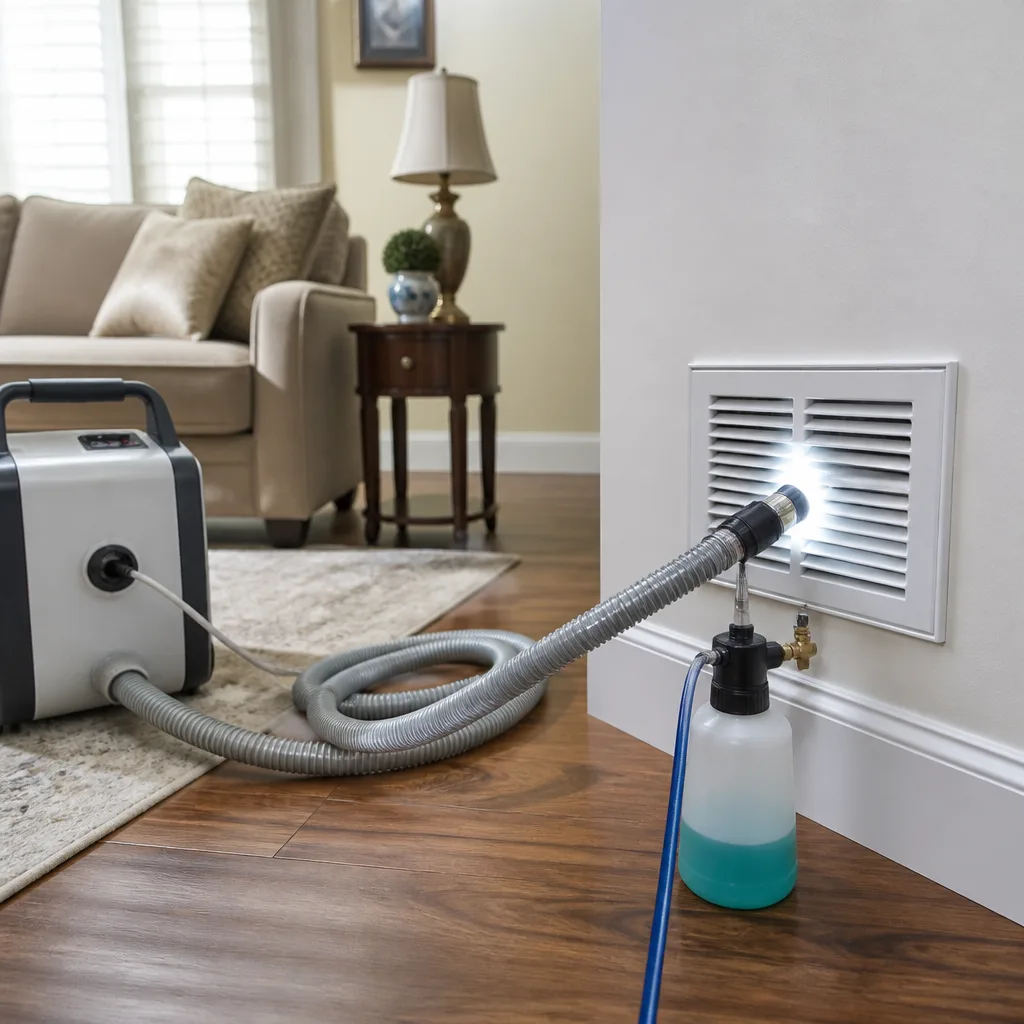 Sanitizing & deodorizing
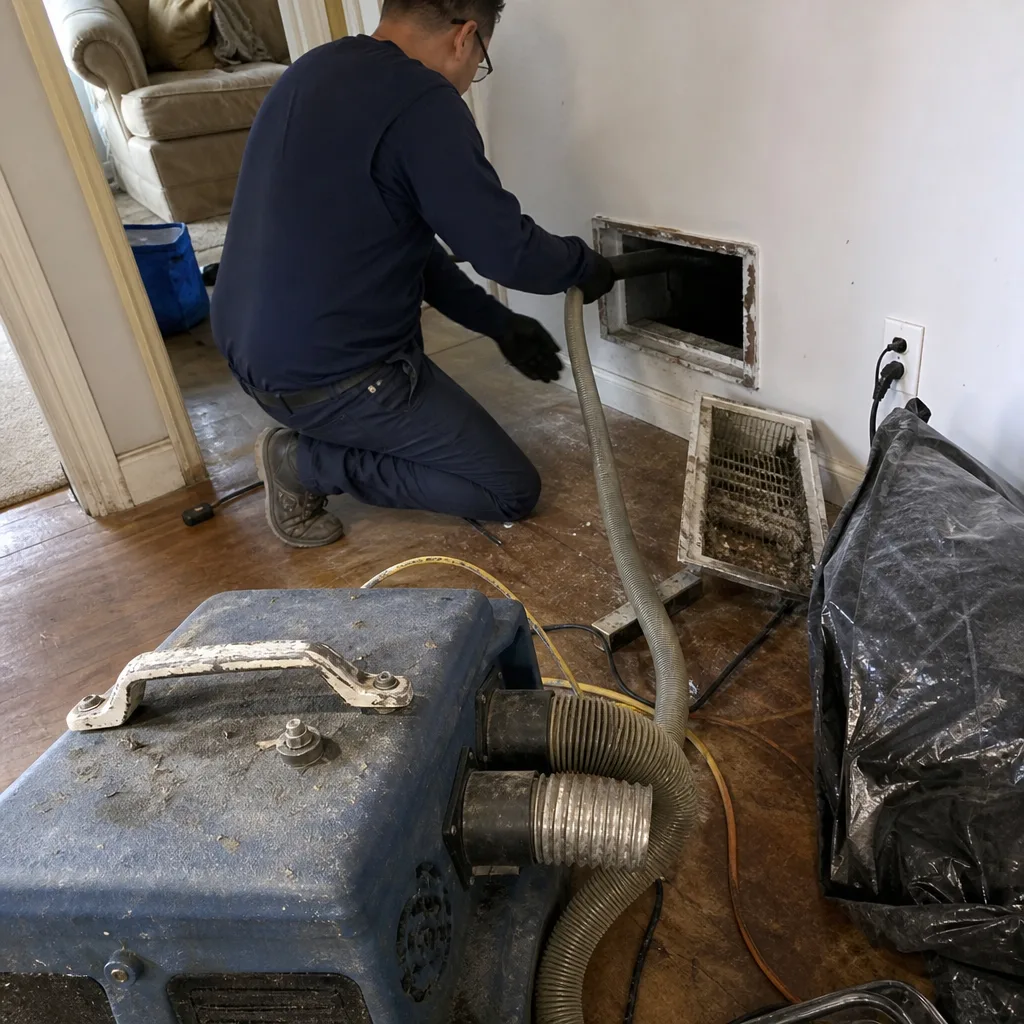
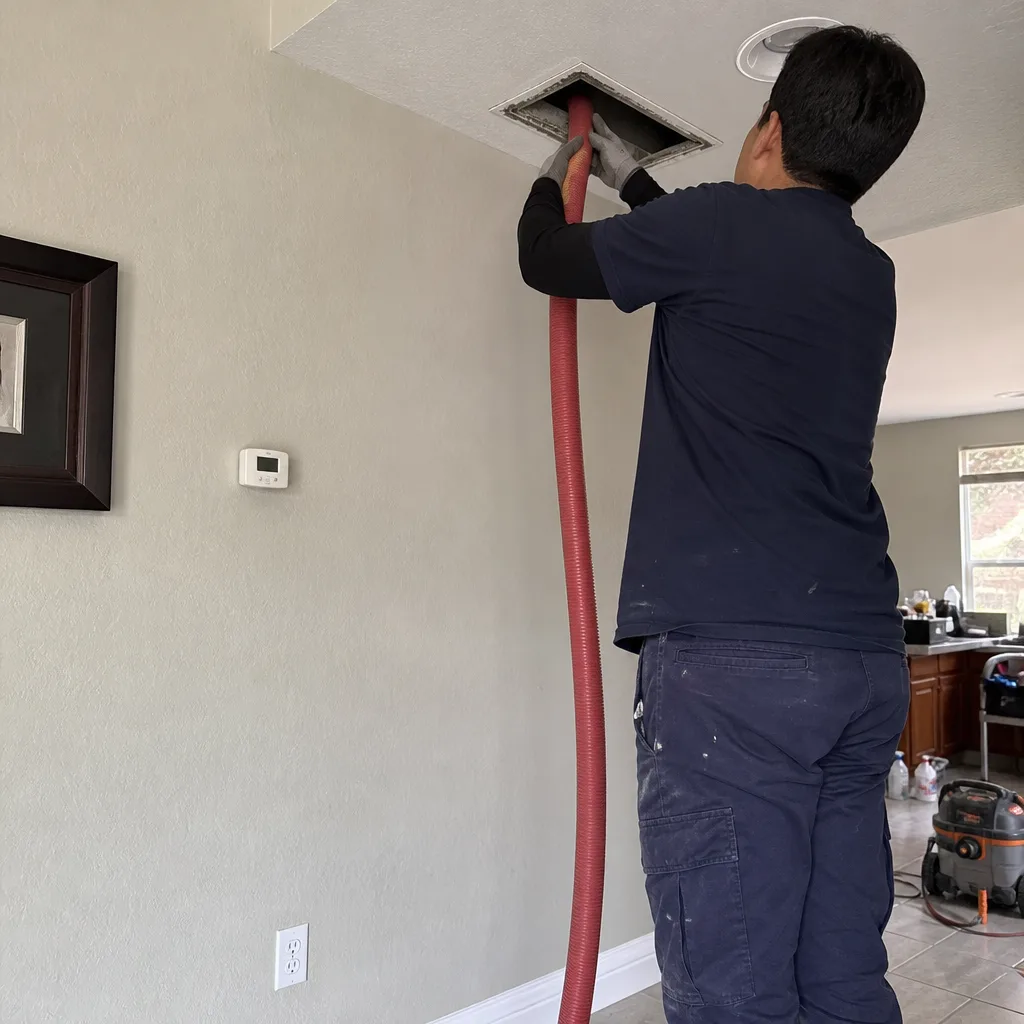
Whole-system duct and dryer vent check with before-and-after photos - you see exactly what came out of your vents
That "$99 whole-house special" is a bait ad - the real number appears once they are in your hallway, or the "clean" is a shop-vac at the register. We photograph the inside of your ducts before and after instead.
Air Duct Cleaning Warning Signs: A La Habra Homeowner’s Reference Guide
Visible dust at registers is one of the last warning signs, not the first. By the time you can see accumulation at the supply diffuser, the interior trunk lines and return plenum have typically been in decline for months. The earlier indicators live in your energy bill, your allergy timeline, and your HVAC’s behavior – not on the grille surface. This guide trains you to read those signals early, before a restricted system becomes a failed one. For La Habra homeowners, where summer cooling cycles run long and hard, catching these signs at the first whisper saves real money and real discomfort.
Quick Answer
The most reliable early warning signs of dirty or failing air ducts in La Habra are: unexplained increases in HVAC runtime, allergy symptoms that flare when the system cycles on, musty odors at first daily startup, visible rust staining near metal trunk lines, and rooms that can’t hold a consistent temperature. Dust at the register face is typically a late-stage indicator, not an early one. If you notice two or more of these signals, a professional duct inspection will tell you whether you’re looking at a cleanliness problem or a structural integrity problem.
Styles & brands we work with
- Whole-home duct cleaning
- Dryer vent cleaning
- Camera inspection
- Sanitizing & deodorizing
Table of Contents
- The Runtime Tell: What Your Energy Bill Is Actually Saying
- Allergy Symptoms and HVAC Cycles: Reading the Pattern
- Musty Odors: Timing Tells You Everything
- La Habra’s Older Housing Stock: Signals Specific to This City
- Duct Cleanliness vs. Duct Integrity: Two Different Diagnoses
- The Truth About Visible Dust at Registers
- Unusual Duct Noises: What Popping, Rattling, and Hissing Mean
- Moisture and Rust: The Overlooked Red Flag
The Runtime Tell: What Your Energy Bill Is Actually Saying
Here’s the counterintuitive part: your HVAC system will rarely tell you directly that the ducts are dirty. It will tell you indirectly, by working harder. A system with restricted airflow from accumulated debris has to run longer to hit the same thermostat setpoint. That longer runtime shows up on your bill as a gradual increase you might attribute to rate hikes or weather. Before you assume the condenser is failing or the compressor is wearing out, ask a different question: has the system been running longer cycles than it did two summers ago, even on comparable La Habra days?
In our experience across La Habra, we’ve seen systems where a 28% increase in monthly cooling cost traced directly back to return-side restrictions, not equipment degradation. The blower motor was fine. The duct interior was not. When airflow is restricted, the entire system compensates: longer cycles, more frequent starts, higher static pressure. None of that is good for longevity.
Here’s what we recommend homeowners track before calling anyone:
- Baseline your runtime. Pick a representative week in May or June when the weather is mild. Note how many minutes per hour your system runs to hold 76°F.
- Track the same metric in August. If runtime per hour has increased by more than 20% for the same setpoint, and you haven’t changed anything else (windows, insulation, occupancy), you’re looking at system resistance, not weather.
- Check the filter first. A clogged filter is the easiest restriction to fix. If the filter is new and runtime is still climbing, the restriction is further downstream – in the ducts themselves.
- Listen for the system hitting the limit. Many modern thermostats log runtime data. If yours does, pull the last 90 days and compare cooling hours against outdoor temperature data for La Habra. The correlation should be tight. When it drifts, something is resisting airflow.
This is the diagnostic difference between a generalist and a specialist. The generalist replaces parts. The specialist asks what changed in the airflow path. Duct restriction is invisible from the outside, but it announces itself in your energy data if you know how to read it.
Allergy Symptoms and HVAC Cycles: Reading the Pattern
Duct-sourced particulate has a signature. It doesn’t produce constant, all-day allergy symptoms the way outdoor pollen from La Habra’s spring bloom does. It produces symptoms that rise and fall with the HVAC cycle. When the system kicks on, particulates that have settled in the ductwork become airborne. When the system shuts off, gravity pulls them back down. The result is a rhythm: symptoms spike shortly after the system starts, then ease when it stops.
If you wake up congested but the system has been off all night, outdoor allergens are the more likely culprit. But if the congestion intensifies within 20 to 30 minutes of the system’s first morning cycle, and then fades when the system rests, the particulate source is inside the air stream. That’s duct-sourced material being aerosolized on demand.
Here’s the pattern to observe over a two-week period:
- Note when symptoms start relative to the HVAC cycle. Within half an hour of system start is significant.
- Note which rooms produce the strongest response. If one bedroom consistently triggers symptoms while the living room doesn’t, the branch line feeding that room may be carrying a heavier particulate load.
- Note overnight patterns. Symptoms that disappear by morning, while the system is off, are a strong signal. Symptoms that persist overnight point elsewhere – bedding, pets, or outdoor exposure.
- Check the return vs. the supply. Particulate returning to the system gets pulled through the return grille. If return-side symptoms are pronounced, the contamination may be upstream, in the return plenum or filter housing.
This isn’t a diagnosis of medical conditions. It’s a pattern-recognition exercise that helps you decide whether the air stream itself is the likely carrier. If the pattern matches, duct cleaning is the conversation to have. If it doesn’t, the source is more likely environmental – carpet, upholstery, or outdoor infiltration through windows and doors.
Musty Odors: Timing Tells You Everything
Musty odors have two completely different causes, and the timing of the smell tells you which one you’re dealing with.
Constant mustiness – present whether the system is running or not – typically points to standing moisture in the home: a slow leak under a sink, a damp crawlspace, condensation on uninsulated pipes, or moisture wicking through a foundation. The ducts aren’t creating the odor; they’re just moving the same air you’d smell anyway.
Startup mustiness – present only during the first few minutes of the HVAC cycle, then fading as the system runs – is a completely different signal. This is odor that has accumulated in the duct system during the off cycle and is being purged when the system starts. It’s strongest at the first startup of the day because the system has been dormant overnight, giving moisture and odor time to concentrate. By midday, subsequent cycles don’t produce it because the system is running frequently enough to prevent accumulation.
In La Habra, where summer nights are warm and humid relative to our dry daytime air, this startup mustiness often traces to condensation inside uninsulated duct runs. The air conditioner cools the duct metal; humid night air condenses on the interior surface; dust sticks to the moisture; bacteria and mold feed on the combination. Morning startup purges the smell. Afternoon startup doesn’t.
If you notice this pattern, the fix isn’t just cleaning. The underlying condition – inadequate insulation, poor duct sealing, or both – needs to be addressed, otherwise the mustiness returns within a season. That’s where Air Duct Repair in La Habra separates from cleaning alone. Clean ducts that remain improperly sealed will re-contaminate. The repair conversation is about correcting the environment that allowed the odor to develop.
La Habra’s Older Housing Stock: Signals Specific to This City
La Habra’s housing stock skews older than much of Orange County. A significant portion of single-family homes date to the 1950s through 1970s, which means original or early-replacement ductwork in many homes is now 40 to 70 years old. That age produces warning signs you won’t read about in generic duct cleaning guides.
Rattling flex duct connections. Flex duct – the flexible, foil-wrapped tubing common in Southern California attics – is held to rigid trunk lines and register boots by zip ties or metal collars. After decades of attic heat cycling, those connections loosen. The result is a distinctive rattle that occurs only when the system is running and only in specific rooms. If you hear it, air is escaping at the connection point. Every cubic foot of air that escapes in the attic is a cubic foot of conditioned air you paid for and lost. The connection needs to be resealed or, in some cases, the damaged flex run replaced entirely.
Register temperature variance across same-floor rooms. If one bedroom on the same floor as another consistently runs 5 to 8°F warmer, even with both registers open and the doors open, the branch line serving that room is restricted or leaking. This isn’t a balancing problem in most La Habra homes; it’s a buildup or structural problem in that specific run. A professional inspection with a camera can see which is true.
Visible rust staining near metal trunk lines. La Habra’s proximity to the coast means evenings bring marine-layer humidity, even in summer. When that humidity meets unconditioned attics and aging galvanized ductwork, condensation forms. The rust staining you see on the exterior of a metal trunk line is evidence that moisture has been present on the interior too – which means the duct’s protective coating is compromised and particulate is adhering to the oxidized surface. This is a cleanliness problem and an integrity problem at the same time.
Duct Cleanliness vs. Duct Integrity: Two Different Diagnoses
This is the distinction most homeowners never make, and it’s the one that determines whether you need cleaning, repair, or both.
A duct cleanliness problem is exactly what it sounds like: the duct interior has accumulated dust, pet dander, construction debris, or biological growth that needs to be removed. The duct structure itself is sound. The openings are intact. The connections are tight. The only issue is what’s inside the air stream.
A duct integrity problem is different. The duct has a physical failure: a separated connection, a collapsed flex run, a corroded section of trunk line, a gap at the plenum connection, or a compromised joint. The structure is no longer doing its job. Contamination enters through the breach even after cleaning, and conditioned air escapes into unconditioned spaces.
Here’s how to tell which one you’re dealing with:
- Check for temperature differentials between rooms. Consistent, measurable differences (more than 3-4°F same floor) indicate airflow loss – an integrity issue.
- Feel near the register boot with the system running. If the register face is dusty but air is blowing strongly and evenly, the problem is likely cleanliness. If airflow is weak in one room but strong in another, integrity.
- Look at the duct exterior where accessible. Crushed flex runs, visible gaps, or disconnected joints in the attic are integrity problems you can see without a camera.
- Consider the age of the system. In La Habra homes built before 1980, the odds of at least one integrity issue increase substantially. Original ductwork from that era is approaching the end of its serviceable life.
The honest answer is that many La Habra homes need both: clean the duct interior, then repair the structural failures that allowed contamination to accumulate. A company that only cleans will leave the breach open. A company that only repairs won’t address the decades of particulate already inside. That’s why Air Duct Cleaning in La Habra and Air Duct Repair are treated as distinct services – each solves half of the problem.
The Truth About Visible Dust at Registers
Visible dust at the register face is the warning sign everyone knows about and the one that arrives last. By the time enough material has accumulated inside the duct to produce visible dusting at the supply diffuser, the interior has been carrying a heavy particulate load for months or years. The register face is simply the first surface the dust touches after leaving the system.
There’s a more useful version of this signal: black streaks around the register edges, not just dust on the face. Those streaks are evidence of air bypassing the filter – or of a filter that isn’t catching fine particulate – and carrying it along the duct walls. The dark marks are the particulate fraction that’s been aerosolized and deposited at the point of exit. If you see them on multiple registers, the contamination is distributed system-wide, not localized to one room.
But here’s what matters more: any dust you can see at the register represents a tiny fraction of what remains inside. The interior surfaces of supply lines in a typical La Habra home have far more surface area than the register face. If enough material exists to dust the one square foot you can see, the system is carrying a load you should be measuring, not guessing at.
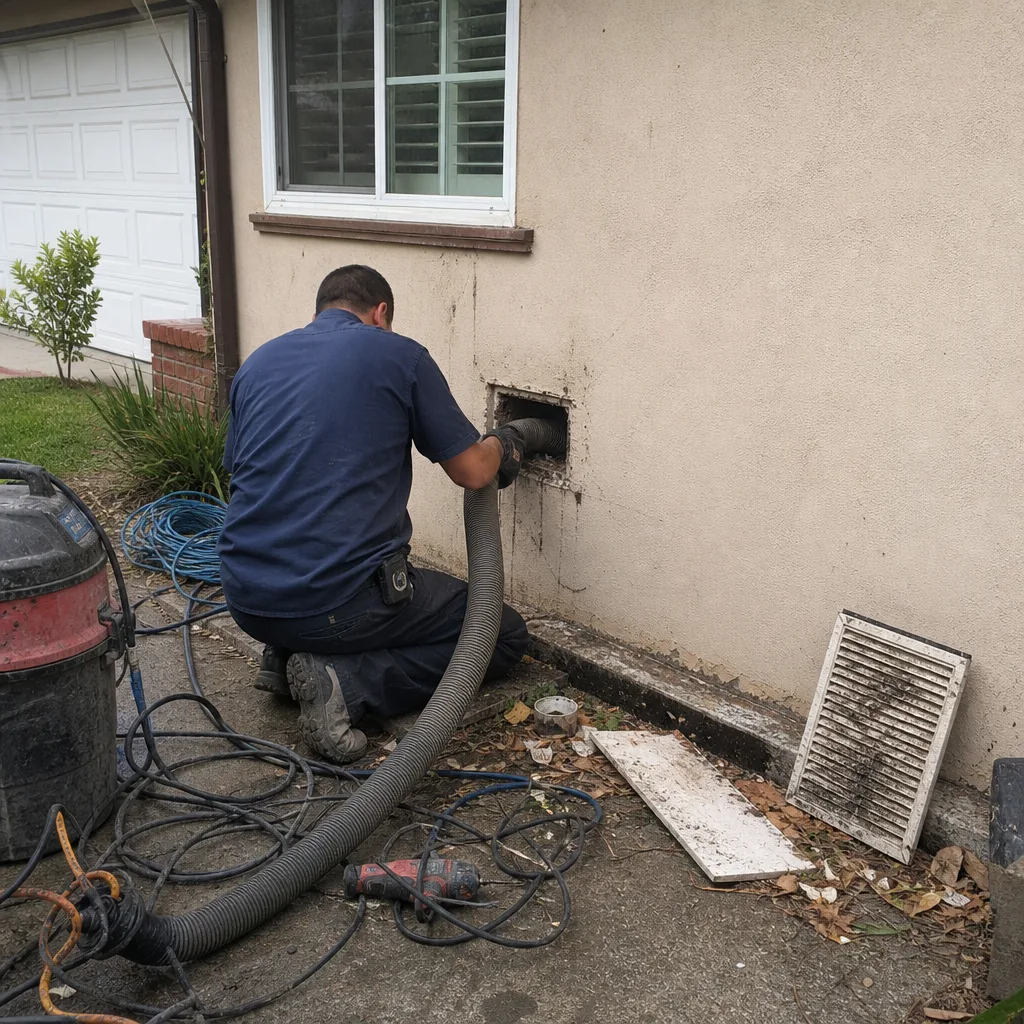
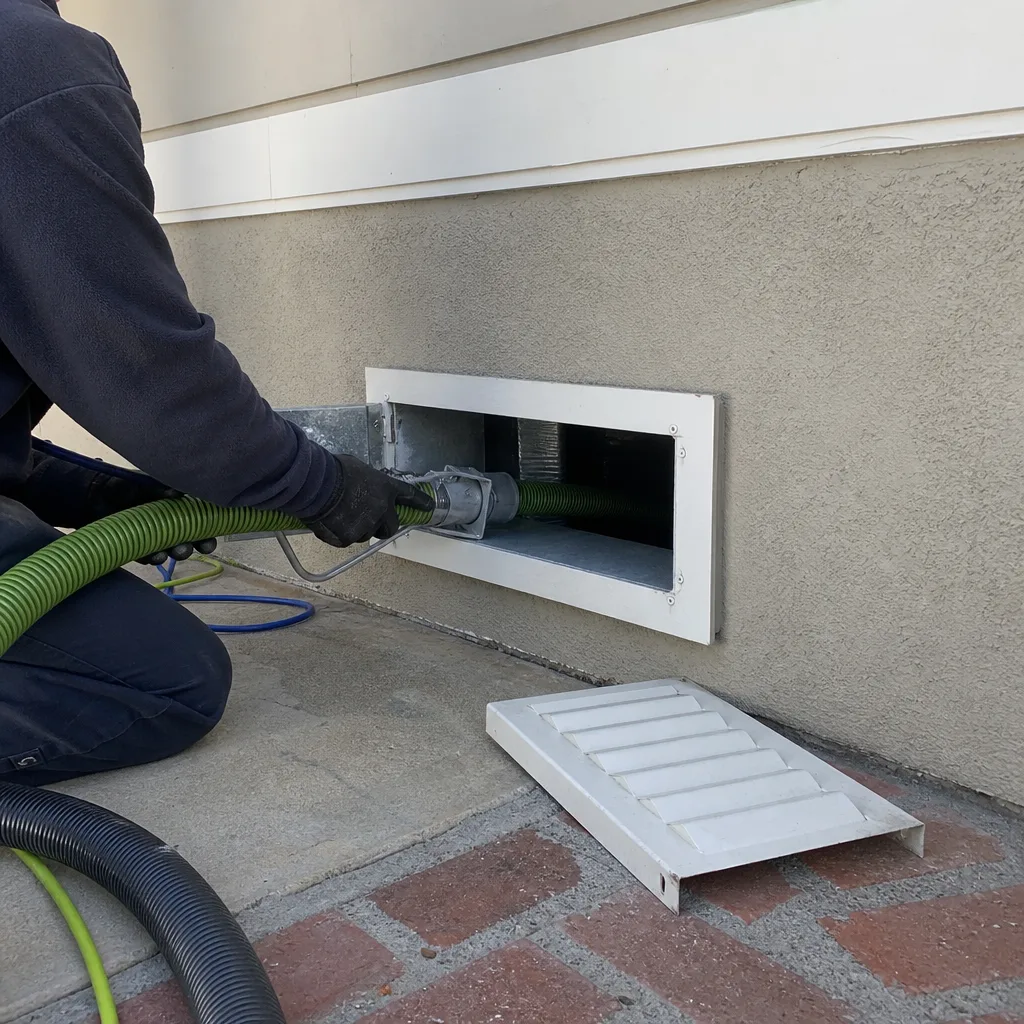
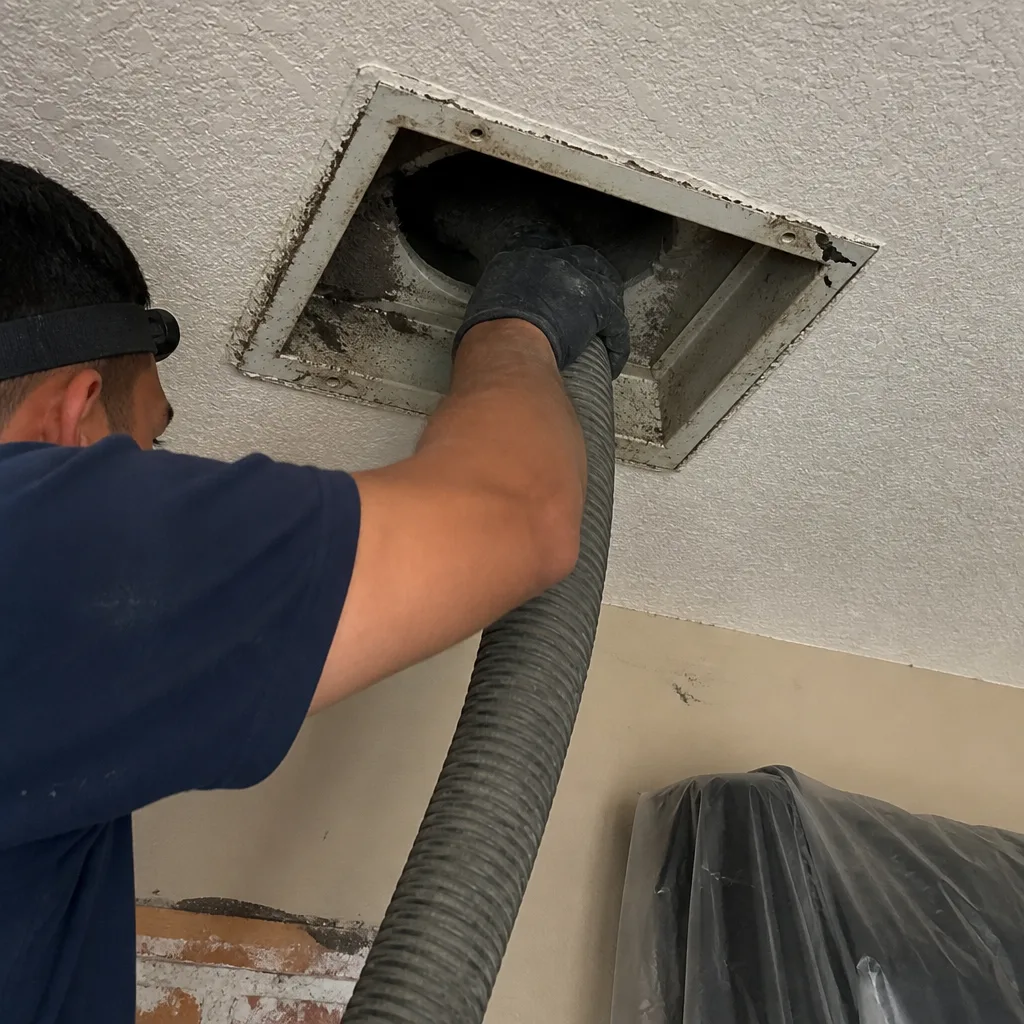
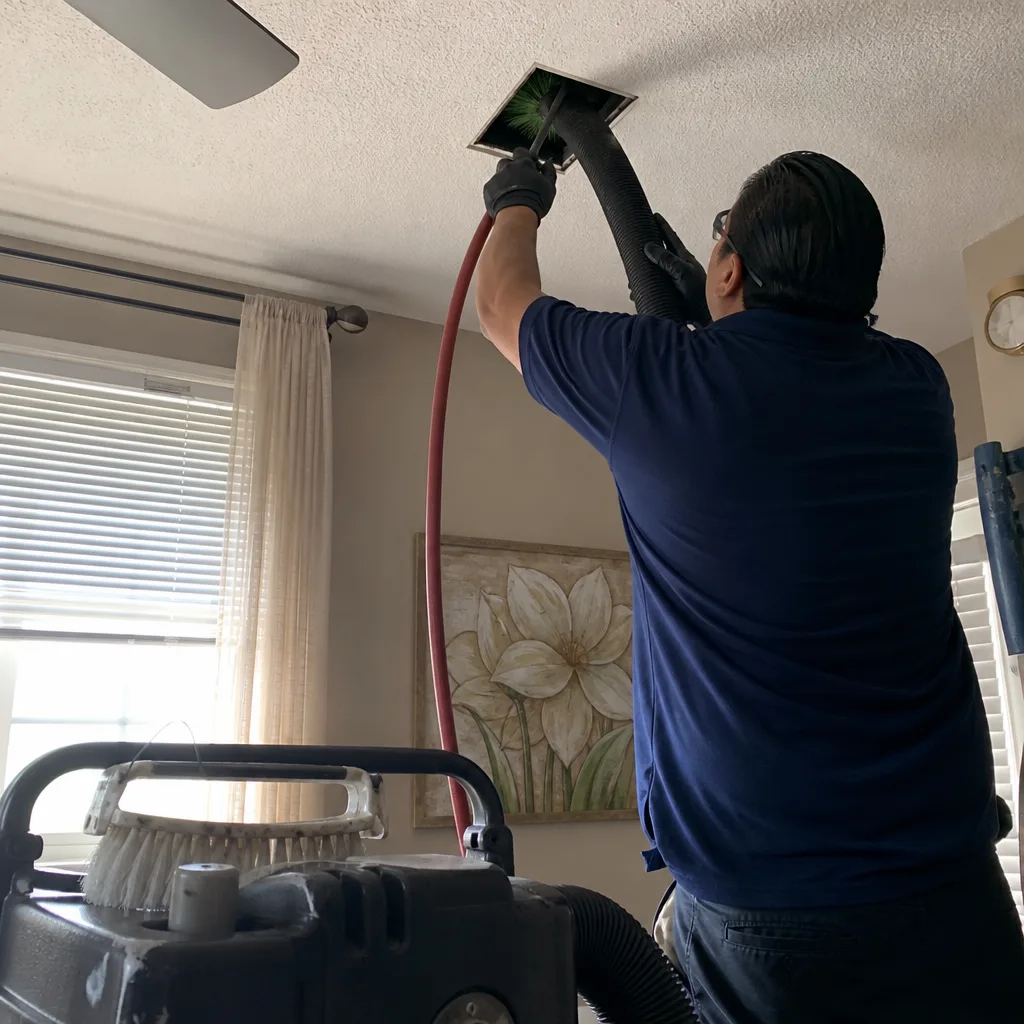
That’s the core of the Cobalt approach: professional-grade Rotobrush and Nikro equipment lets us see what’s actually inside your ducts – and clean to a measurable standard, not just a visual once-over. The dusty register is a prompt to ask a better question: how much is in there that I can’t see?
Unusual Duct Noises: What Popping, Rattling, and Hissing Mean
Duct systems make noise. Some of it is normal – the rush of air through registers, the distant thump of the damper closing. But three specific sounds deserve attention because they indicate problems that get worse over time.
Popping during startup or shutdown is thermal expansion. The metal trunk line expands when warm air hits it and contracts when the system shuts off. In small doses, it’s normal. When the popping becomes loud, regular, or sharp enough to startle, the ductwork is under stress – typically from undersized runs, restricted airflow creating higher static pressure, or failing joints. The pop is the sound of the metal flexing against the restriction. Cleaning alone won’t make it stop.
Rattling at specific connections almost always points to loose flex-to-boot or flex-to-trunk connections, as discussed above. The vibration of system operation shakes the loose collar against the register boot. It’s a mechanical sound with a mechanical cause, and it’s repairable.
Hissing at the supply register is airflow leaking through gaps between the register face and the boot, or between the boot and the drywall. It’s the sound of air escaping where it shouldn’t. It means the system is working harder than it needs to and delivering less conditioned air to the room than the design intended. In many La Habra homes, this is a simple sealing fix.
None of these noises will fix themselves. Each one points to a condition that worsens over time – more debris accumulation, more leakage, more stress on the blower motor. But identifying the sound correctly is the first step toward fixing the right problem.
Moisture and Rust: The Overlooked Red Flag
Most duct cleaning guides talk about dust. Far fewer talk about moisture, yet moisture is the signal that turns a routine cleaning into a more serious conversation. Water inside a duct system does two things dust alone never does: it binds debris into a substrate, and it creates conditions for biological growth.
In La Habra, moisture enters duct systems in three common ways:
- Condensation from temperature differential. Cool air moving through warm, humid attics causes water to form on the duct exterior – and, if the system has leaks, on the interior too. This is the most common source in uninsulated or under-insulated older homes.
- Bathroom and kitchen exhaust backflow. When exhaust fans vent into the attic rather than through the roof – a condition we see regularly in 1960s and 1970s La Habra construction – warm, humid air from showers and cooking rises into the attic space and finds its way into the ducts through small gaps. Every shower adds moisture to the system.
- Evaporator coil condensation overflow. When the drain pan overflows or the condensate line clogs, water pools near the air handler. In a system with a poorly sealed plenum, that water wicks into the return path and distributes through the system.
The visible sign is rust staining on accessible metal duct surfaces. The invisible sign is the musty startup odor discussed earlier. If either is present, cleaning alone leaves the moisture source unaddressed. The system will re-contaminate within a season. The real fix involves addressing the moisture condition – which may mean Air Duct Repair, added insulation, or both – and then cleaning the interior to remove what the moisture left behind.
Common Mistakes to Avoid
- Assuming dust means the system is working. Dust present at registers means the system is moving particulate, not that it’s clean. A system that hasn’t been cleaned in 15 years is still moving air; it’s just moving contaminated air.
- Treating symptoms instead of the system. Replacing filters more often, vacuuming more aggressively, or buying a plug-in air purifier for one room doesn’t address the duct interior. These are bandages over a source problem.
- Ignoring weak airflow in one room. When one room runs warmer than the others, the temptation is to close other registers to “balance” the system. In La Habra homes, this often worsens the problem by raising static pressure and accelerating leakage at loose connections.
- Confusing a clean filter with a clean system. The filter protects the equipment from the air, not the air from the ducts. A clean filter in front of dirty ducts means clean air entering a dirty system – and the air leaving it carries whatever was already inside.
- Assuming older ducts are fine because they’re quiet. Quiet doesn’t mean sound. Severely restricted ducts don’t necessarily rattle; sometimes they just slowly strangle the system with high static pressure. The evidence shows up in your energy bill and your equipment’s lifespan, not in noise.
- Putting off repair because the system still cools. A system with a disconnected return can still cool the house. It’s just doing it with attic air, construction dust, and reduced efficiency. “Working” and “healthy” are not the same condition.
See the difference
 Before
 After
 Before
 After
 Before
 After
When to Call a Professional
If you’ve identified two or more of the signals in this guide – increased runtime, cycle-related allergy symptoms, startup mustiness, room temperature variance, unusual duct noise, or visible rust staining – it’s time to get an inspection. These indicators rarely appear alone, and together they suggest a system that needs professional eyes on it, not another DIY filter change. If you’ve never had your ducts inspected and you live in a pre-1980 La Habra home, that alone qualifies you for a conversation. We’ve seen systems in this city that hadn’t been opened since the Reagan administration. Cobalt Air Duct Cleaning offers free estimates in La Habra – call (866) 596-7835 and we’ll tell you what condition your ducts are actually in, based on what we see, not what we assume.
Frequently Asked Questions
You need duct cleaning if you notice two or more of these signs: allergy symptoms that flare when the HVAC cycles on, musty odor at first daily startup, visible dust accumulation at multiple registers, unexplained increases in cooling costs, or room temperature differences of more than 3-4°F on the same floor. Any one of these signals is worth investigating. Two or more make a professional inspection the right next step. Call (866) 596-7835 and we’ll assess your system honestly – if your ducts don’t need cleaning, we’ll tell you that too.
Allergy symptoms that worsen within 20-30 minutes of the HVAC system starting and improve when it shuts off are typically caused by particulate being aerosolized from inside the duct system, not outdoor allergens. When the blower starts, it re-suspends dust, pollen fragments, and other material that settled in the ducts during the off cycle. This is a treatable condition – professional duct cleaning removes the reservoir that’s being stirred up every time the system runs.
A light dusting on the register face is normal in any home and not by itself a warning sign. What’s more significant is persistent, rapid re-dusting within days of cleaning, black streaking around register edges, or dust appearing on registers in rooms far from exterior doors and windows. These suggest the particulate is coming from the duct interior, not ordinary household activity. When register dust returns quickly, the system is distributing material it picked up somewhere upstream.
Duct cleaning removes accumulated debris from the interior of a sound duct system. Duct repair addresses structural problems: separated connections, collapsed flex runs, corroded trunks, or gaps at plenums. Many La Habra homes need both because structural gaps allow contamination to enter, and then cleaning removes what accumulated. Cobalt offers Air Duct Cleaning in La Habra as one service and Air Duct Repair as a separate service – because they solve different problems.
For most La Habra homes, every 3 to 5 years is a reasonable interval. Homes with pets, smokers, recent remodeling, or occupants with respiratory conditions often benefit from cleaning every 2 to 3 years. The honest answer depends on what’s actually in your system, not on a calendar. That’s why a camera inspection before cleaning is the standard we recommend – you should see the condition before you pay for the work. Call (866) 596-7835 for a free estimate.
Yes. Restricted airflow from duct debris raises static pressure in the system, which makes the blower work harder and the system run longer to hit the same thermostat setpoint. A 20-30% increase in cooling costs with no change in usage patterns is a common sign of duct restriction or leakage. In La Habra’s hot summer months, that added cost compounds quickly – and the fix is often a one-time cleaning or repair that’s cheaper than the accumulated energy waste.
The Bottom Line
Your duct system talks to you through your energy bill, your allergy symptoms, your morning nose, and your ears. The signs are there before the dust shows up on the register – and learning to read them early separates a $400 cleaning from a $4,000 repair. La Habra’s older housing stock makes this diligence more important, not less: aging ductwork in hot attics develops both cleanliness and integrity problems as a matter of course. The right response is honesty about which condition you’re facing and a specialist who can address both. You don’t need to guess what’s in there. You can see it, with the right equipment and the right approach.
Written by the team at Cobalt Air Duct Cleaning, serving La Habra since 2016.